 Language
 English
 français
 Deutsch
 русский
 español
 português


What Are You Looking For?

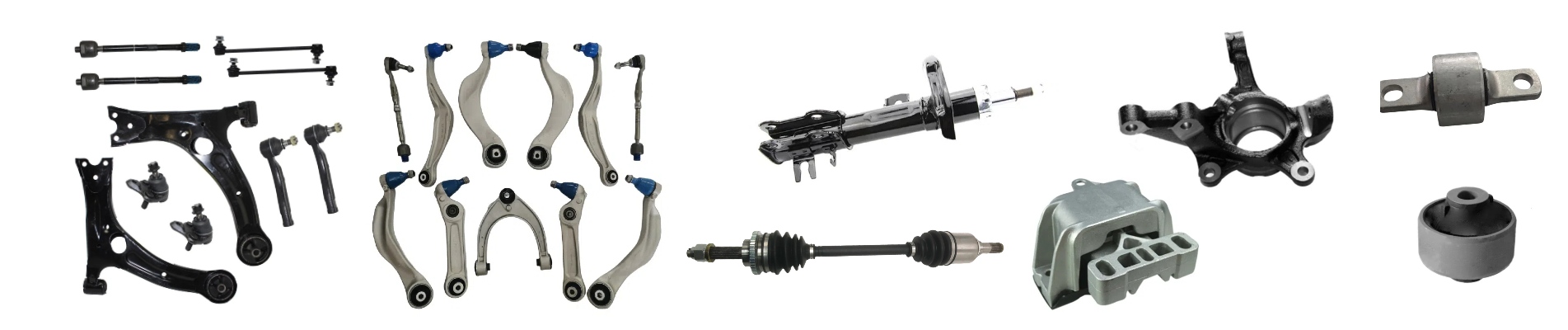
Modern vehicle suspension relies heavily on control arms to connect the steering knuckle to the vehicle frame. Most double‑wishbone and multi‑link suspensions use both upper control arm and lower control arm. Many car owners and wholesale buyers get confused about their functions, appearances and failure signs. This article breaks down their key differences.
The upper control arm sits at the top position of the suspension assembly. It links the upper part of the steering knuckle to the chassis or subframe. It mainly manages camber changes during compression and rebound when the wheel moves up and down.
Compared with the lower unit, the upper control arm is usually shorter. In many multi‑link setups, it works together with ball joints and rubber bushings. It bears relatively less vertical load, yet it plays a critical role in wheel alignment.
Common failure points for the upper control arm are worn bushings and worn ball joints. Once damaged, wheel camber will shift, causing uneven tire wear.
Mounted below, the lower control arm takes most of the vertical impact and weight from the wheel. It connects the bottom of the steering knuckle to the subframe. It controls caster and camber angles while absorbing road shocks transferred from tires.
The lower control arm is generally larger and thicker. It carries major road forces during acceleration, braking and cornering. Its bushings endure heavy stress. Worn bushings will produce clunking sounds over bumps.
Bad lower control arm parts lead to loose steering, wandering on highways and noticeable chassis noise. Severe wear will directly threaten driving safety.
Note: Both arms often come fitted with ball joints and bushings. When one component fails, inspect the other side as well. Worn suspension parts rarely appear completely alone.
Listen for metal clunking noises when driving over potholes or speed bumps. Check tires for one‑sided abnormal wear. If alignment keeps going out of spec shortly after service, inspect both upper control arm and lower control arm.
For wholesale buyers: Always confirm OEM numbers before ordering. Some vehicle models use different shapes for left‑side and right‑side control arms. Never mix‑match replacement components.
Upper control arm and lower control arm complete suspension work together. One focuses on geometry tuning, the other undertakes most physical loads. Understanding their differences helps you diagnose suspension issues faster and pick correct spare parts. Early replacement of worn control arms protects tires and improves overall driving safety.

READY FOR A SUBSCRIPTION?
SMK company supply auto parts for below car aftermarket parts: Japanese car: Toyota, Honda, Nissan, Mazda, Subaru, Mitsubishi, Suzuki, Isuzu... European car: BMW, Benz, VW, Audi, Skoda, Porsche, Maserati, Renault, Peugeot, Citroen, Fiat, Opel, Land Rover... American car: Tesla, Ford, Chrysler, Cadillac, Buick, GMC, Chevrolet, Lincoln, Fiat, Dodge, ... Korean car: Hyundai, Kia, Daewoo... Chinese car: Chery, Geely, GreatWall, Haval, BYD, Changan, JAC... We supply parts worldwide: USA, Canada, Europe, Mexico, Colombia, Korea... We are leading supplier for below auto parts: Suspension & Steering Parts(Control Arm, Steering Tie Rod, Stabilizer Link...) Tesla Aftermarket Parts. Engine Mounting/Transmission Mount SMK Auto parts is specifically designed for the automotive repair parts. Our chassis components undergo rigorous testing to easily withstand the complex and variable road conditions and climate. The products not only offer exceptional durability but also provide broad compatibility and excellent stability, ensuring long-term, reliable support for your vehicles. Many overseas clients have established long-term partnerships with us. With the continuous accumulation of customer resources, many overseas clients entrust us with the production of various types of automotive parts products. In order to meet the diversified needs of customers, we have actively expanded new product lines. We adhere to high manufacturing standards, ensuring each product meets the strict safety and durability requirements of different markets. We invite customers from worldwide to choose our products and provide stronger protection and performance upgrades for your vehicles! SMK always adhere to customer-centric, continuously improve product quality and service levels, and strive to create greater value for global customers. In the future, we will continue to adhere to the principle of “quality first, customer first” and work hand in hand with our partners to create a better future. Working Room Packing & Delivery Need After‑market Auto Parts or add your personal brand? We supply high‑quality chassis parts and customized services to meet your order requirements. Get A Quote →
 IPv6 network supported