 Language
 English
 français
 Deutsch
 русский
 español
 português


What Are You Looking For?

Yesterday at the repair shop, I watched technicians working on a 2016 Audi A6L with 160 000 km on the odometer. The vehicle was nearly finished. Once new tires are fitted and the test drive passes, the car will be ready for hand‑over. Used replaced parts sit nearby.
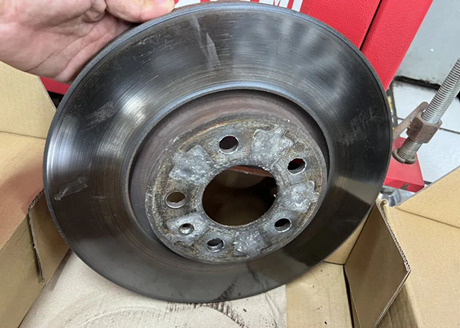
Three groups of old components are removed. First are the brake rotors. Both front‑wheel brake rotors have been replaced. High‑speed brake pedal vibration occurred due to uneven rotor surfaces. Previously resurfaced, the rotors had reached their wear limit, so brand‑new brake rotors are installed this time.
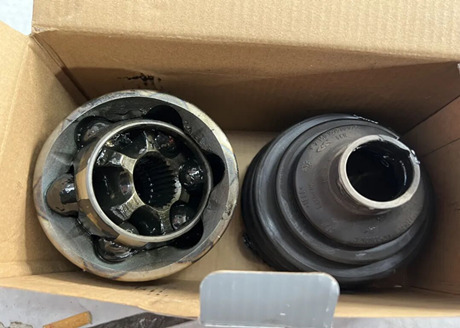
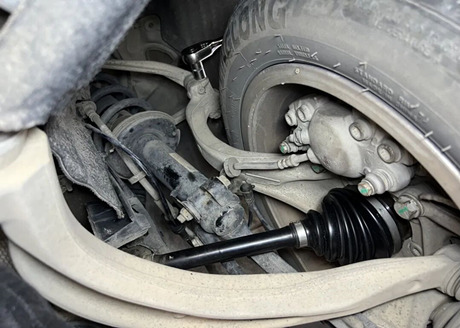
The second group includes outer CV joints and CV joint boots. Both left and right outer CV joints have been replaced. The failure symptom is typical: clicking noises when the steering wheel is turned to full lock. The root cause is excessive clearance between the inner steel balls and raceways of the outer CV joints.
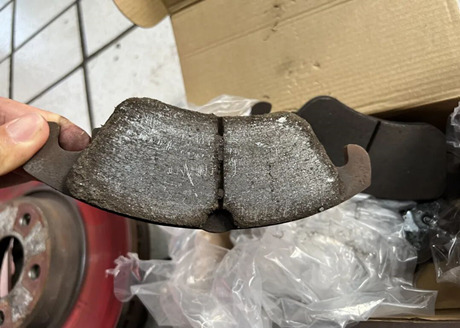
The third group is the brake pads, as shown in the picture below. These brake pads are of poor quality; material flakes off easily from the edges when scratched. Brand‑new brake pads are fitted directly.
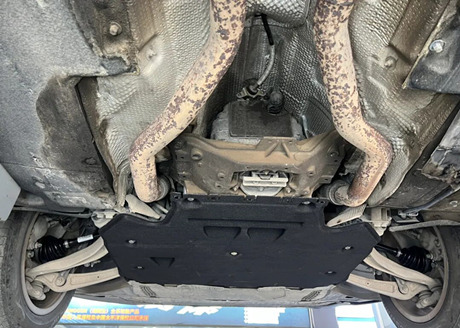
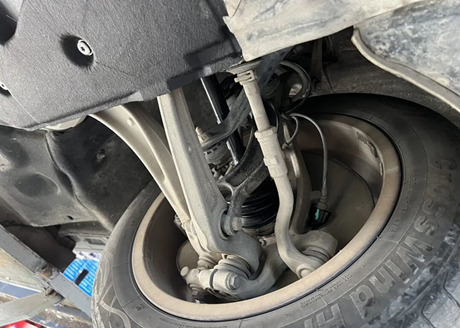
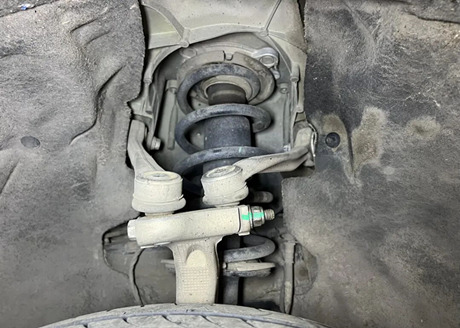
Besides, the felt‑style underbody shield at the bottom of the transmission has also been replaced with a new one, as shown in the picture below. We also take a look at the front suspension. It adopts a five‑link independent suspension, and all main parts are made of aluminum alloy.
The new outer CV joints and CV joint boots have been installed.
Other parts of the front suspension are inspected and in good condition with no immediate issues.
At the upper section of the front suspension are two small sway bar links, also made of aluminum alloy.
Looking at the middle section of the chassis, all required underbody shields are in place.
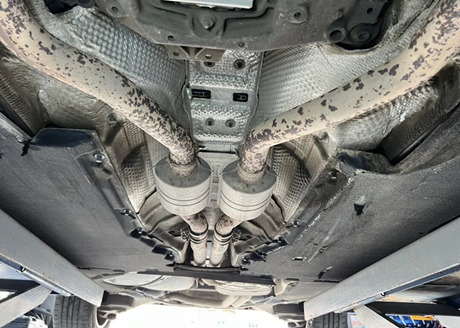
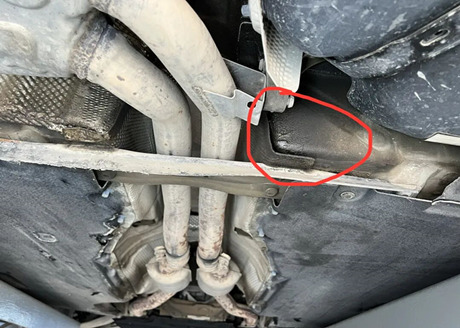
The picture below shows the vehicle body at the front of the fuel tank. It looks like oil contamination, but the technician explained it is not. It is special anti‑corrosion wax injected during vehicle manufacturing. As service time goes by and temperature changes, part of the anti‑corrosion wax melts. The flowing liquid wax picks up dust and appears like an oil leak, and this condition causes no functional issues.
Looking at the rear section, it features a trapezoidal multi‑link independent suspension, and most components are made of aluminum alloy.
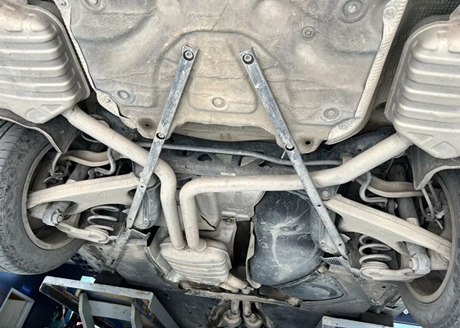
After inspection, the chassis condition of this Audi A6L is fairly good. Especially the rear chassis remains original factory condition with no further repair requirements.
Then the technician performed a road test. All previous faults are gone and have been perfectly resolved.

READY FOR A SUBSCRIPTION?
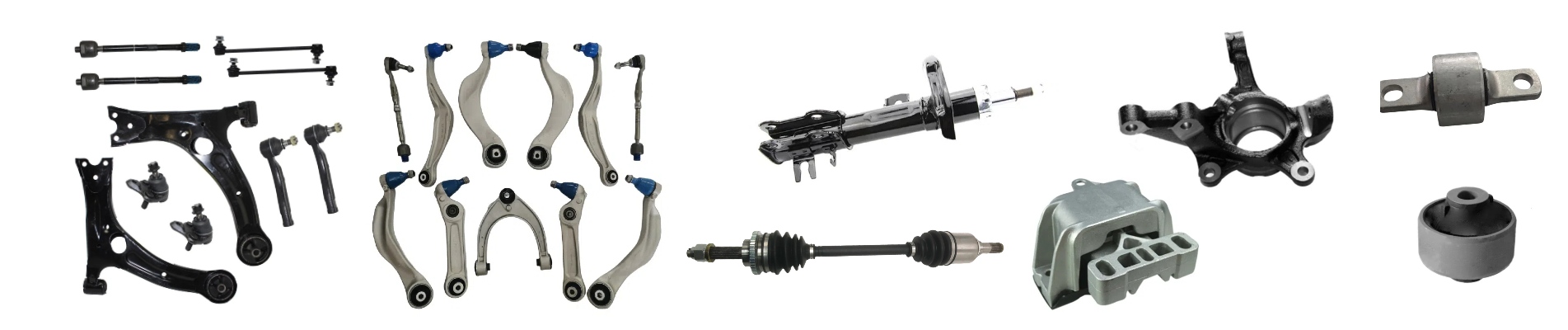
SMK company supply auto parts for below car aftermarket parts: Japanese car: Toyota, Honda, Nissan, Mazda, Subaru, Mitsubishi, Suzuki, Isuzu... European car: BMW, Benz, VW, Audi, Skoda, Porsche, Maserati, Renault, Peugeot, Citroen, Fiat, Opel, Land Rover... American car: Tesla, Ford, Chrysler, Cadillac, Buick, GMC, Chevrolet, Lincoln, Fiat, Dodge, ... Korean car: Hyundai, Kia, Daewoo... Chinese car: Chery, Geely, GreatWall, Haval, BYD, Changan, JAC... We supply parts worldwide: USA, Canada, Europe, Mexico, Colombia, Korea... We are leading supplier for below auto parts: Suspension & Steering Parts(Control Arm, Steering Tie Rod, Stabilizer Link...) Tesla Aftermarket Parts. Engine Mounting/Transmission Mount SMK Auto parts is specifically designed for the automotive repair parts. Our chassis components undergo rigorous testing to easily withstand the complex and variable road conditions and climate. The products not only offer exceptional durability but also provide broad compatibility and excellent stability, ensuring long-term, reliable support for your vehicles. Many overseas clients have established long-term partnerships with us. With the continuous accumulation of customer resources, many overseas clients entrust us with the production of various types of automotive parts products. In order to meet the diversified needs of customers, we have actively expanded new product lines. We adhere to high manufacturing standards, ensuring each product meets the strict safety and durability requirements of different markets. We invite customers from worldwide to choose our products and provide stronger protection and performance upgrades for your vehicles! SMK always adhere to customer-centric, continuously improve product quality and service levels, and strive to create greater value for global customers. In the future, we will continue to adhere to the principle of “quality first, customer first” and work hand in hand with our partners to create a better future. Working Room Packing & Delivery Need After‑market Auto Parts or add your personal brand? We supply high‑quality chassis parts and customized services to meet your order requirements. Get A Quote →
 IPv6 network supported