 Language
 English
 français
 Deutsch
 русский
 español
 português


What Are You Looking For?

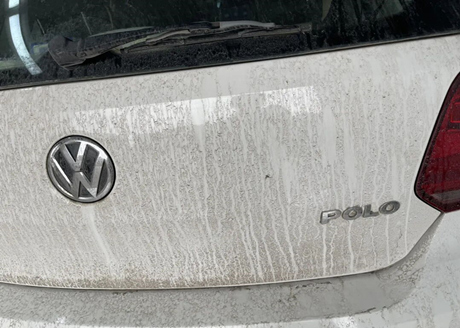
The mechanic already knew why this Volkswagen Polo was coming in before the car even pulled up to the shop — it almost certainly needed chassis repairs. How did he figure it out so quickly?
As the vehicle rolled over the speed bump at the shop entrance, the chassis let out loud, distinct creaking noises. The squeaky creaks even echoed from the undercarriage the second the driver stepped out of the car, with the sound clearly originating from the front-left side.
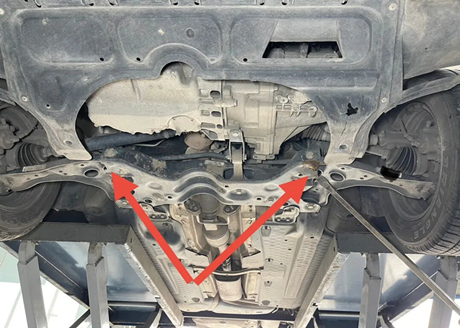
The owner said this creaking chassis noise had been there for a long time. There used to be no such abnormal sound, and he asked the mechanic to lift the car up to check if there was something wrong with the lower control arm or related parts.
After the mechanic hoisted the vehicle and inspected the undercarriage, he immediately identified the source of the strange noise. As shown in the picture: the position pointed by the right arrow is where the abnormal sound originates, while the left side displays the normal condition. The mechanic is checking the assembly with a pry bar.
Let’s first take a look at the intact lower control arm. The image below shows the right-side unit. Its bushing is mounted onto the subframe, with contact only at the bolt fastening points and no contact anywhere else.
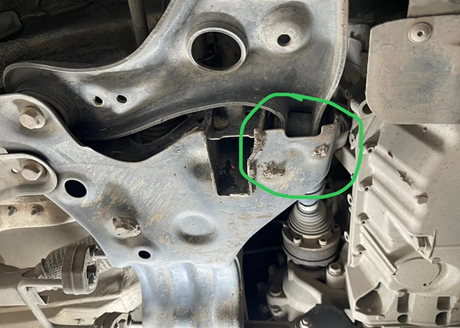
Now compare the faulty front-left lower control arm. As highlighted in the red area in the picture below, the subframe mounting position for the lower control arm bushing is severely deformed. You can see direct metal-to-metal contact between the subframe and the lower control arm itself.
When the vehicle travels over bumpy roads, the lower control arm shifts, creating creaking sounds at the contact point with the subframe.
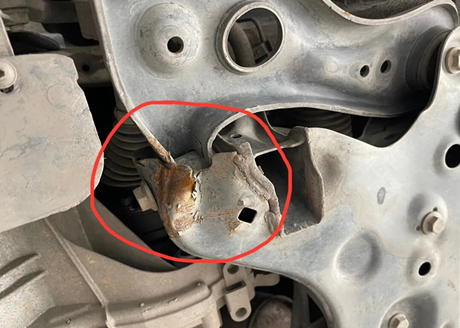
The mechanic asked the car owner whether the chassis had suffered any heavy impact or scrape before.
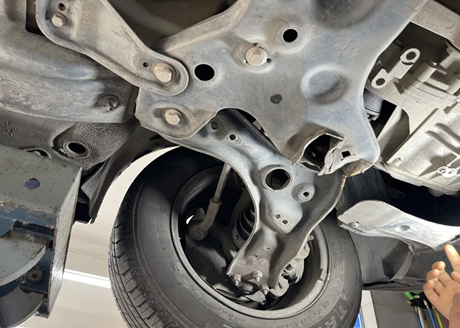
So how should this be repaired?
The mechanic explained that judging from the impact area, both the subframe and lower control arm are deformed, which means the chassis alignment geometry has shifted. The proper repair solution is to replace the entire subframe, though this comes with a fairly high cost.
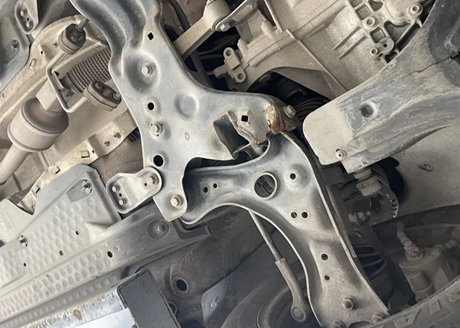
After hearing the repair quote, the car owner hesitated. Since the replacement subframe was out of stock for the time being, he asked the mechanic to lower the vehicle so he could head home and think it over.
Let’s also take a look at the rear suspension. As shown in the picture below, it is a torsion-beam semi-independent suspension with no faults found during inspection.
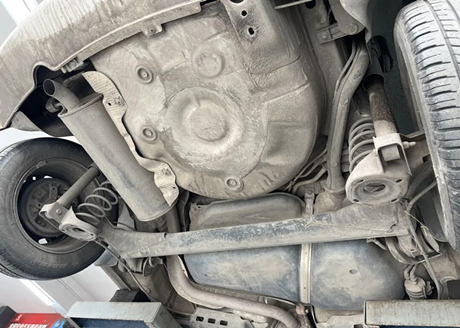
An inspection of all four wheels revealed no defects.
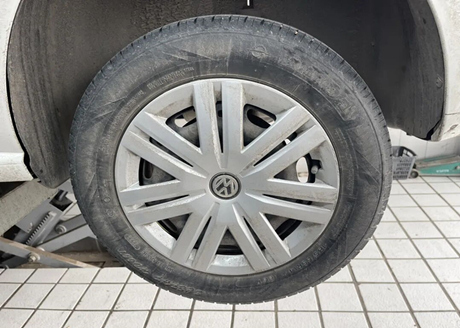
The mechanic told the owner that the Volkswagen Polo has a low ground clearance, typical of ordinary sedans. Drivers need to exercise extra caution when driving over bumpy roads. The shop has fixed numerous cars with scraped transmission oil pans from such impacts.

READY FOR A SUBSCRIPTION?
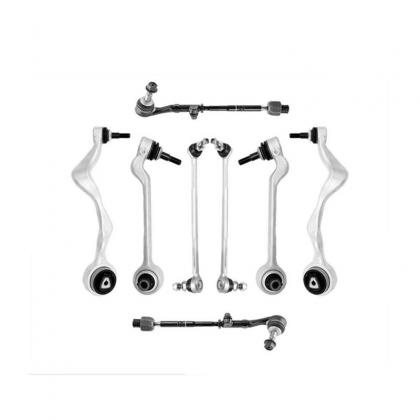
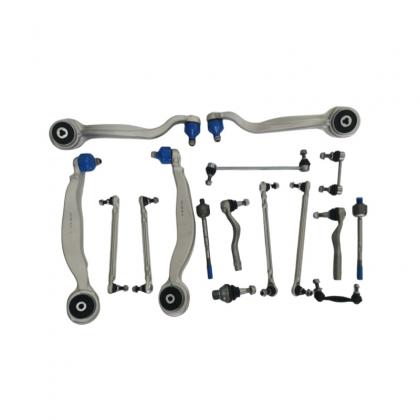
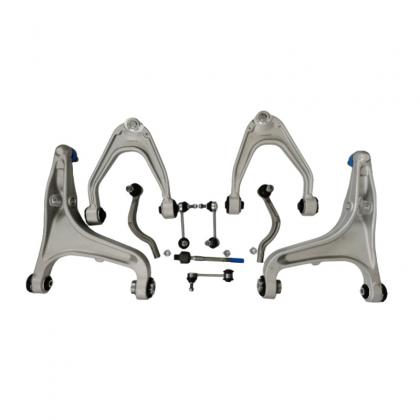
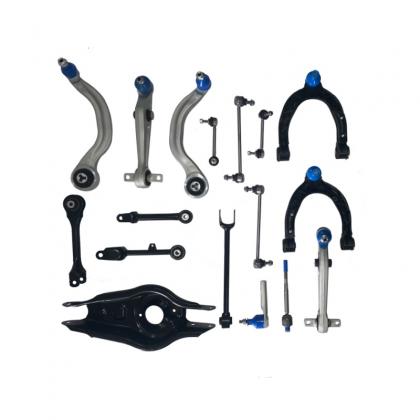
SMK company supply auto parts for below car aftermarket parts: Japanese car: Toyota, Honda, Nissan, Mazda, Subaru, Mitsubishi, Suzuki, Isuzu... European car: BMW, Benz, VW, Audi, Skoda, Porsche, Maserati, Renault, Peugeot, Citroen, Fiat, Opel, Land Rover... American car: Tesla, Ford, Chrysler, Cadillac, Buick, GMC, Chevrolet, Lincoln, Fiat, Dodge, ... Korean car: Hyundai, Kia, Daewoo... Chinese car: Chery, Geely, GreatWall, Haval, BYD, Changan, JAC... We supply parts worldwide: USA, Canada, Europe, Mexico, Colombia, Korea... We are leading supplier for below auto parts: Suspension & Steering Parts(Control Arm, Steering Tie Rod, Stabilizer Link...) Tesla Aftermarket Parts. Engine Mounting/Transmission Mount SMK Auto parts is specifically designed for the automotive repair parts. Our chassis components undergo rigorous testing to easily withstand the complex and variable road conditions and climate. The products not only offer exceptional durability but also provide broad compatibility and excellent stability, ensuring long-term, reliable support for your vehicles. Many overseas clients have established long-term partnerships with us. With the continuous accumulation of customer resources, many overseas clients entrust us with the production of various types of automotive parts products. In order to meet the diversified needs of customers, we have actively expanded new product lines. We adhere to high manufacturing standards, ensuring each product meets the strict safety and durability requirements of different markets. We invite customers from worldwide to choose our products and provide stronger protection and performance upgrades for your vehicles! SMK always adhere to customer-centric, continuously improve product quality and service levels, and strive to create greater value for global customers. In the future, we will continue to adhere to the principle of “quality first, customer first” and work hand in hand with our partners to create a better future.
 IPv6 network supported