 Language
 English
 français
 Deutsch
 русский
 español
 português


What Are You Looking For?
Yesterday afternoon, a Toyota rolled into our shop. The mechanic took one glance at its exterior and immediately commented that this was another timeless classic—the 13th-generation Crown, the last domestically produced rear-wheel-drive V6 Crown sold in China.
Per the technician, this unit is the 2010 model, manufactured in 2012, paired with a 6-speed automatic transmission. It carries the S200 chassis code and is powered by a 2.5L V6 front-engine rear-wheel-drive powertrain. Back in its day, it competed head-to-head against the Audi A6L.
The owner brought the Crown in for an engine service and a full vehicle inspection. After examining the undercarriage, our mechanic couldn’t help but praise it:This is what a dependable vintage classic should be!Let’s take a closer look at this 2010 Crown through a series of photos.
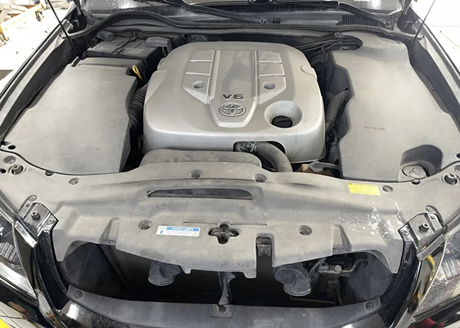
First up, a quick tour of the engine bay. It comes fitted with plenty of shielding panels. The top of the engine features a silver cover etched with the V6 badge, signifying its V-six cylinder layout. The engine runs remarkably smoothly, with plastic trim covers lining both sides.
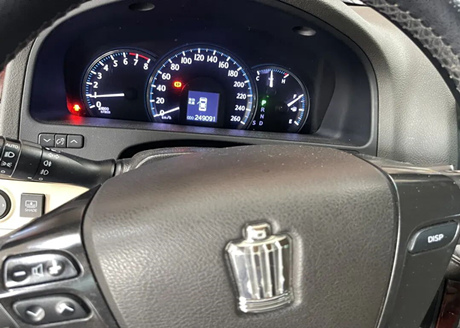
The dashboard shows almost 250,000 km covered across 14 years on the road.
The mechanic explained that inline-six and V6 engines are typically longitudinally mounted. Combined with rear-wheel drive, the engine oil drain bolt sits toward the rear, and there’s no skid plate beneath the oil pan, so the bolt can be easily accessed for oil changes. The damp shield panels are just wet from air conditioning condensation dripping onto them.
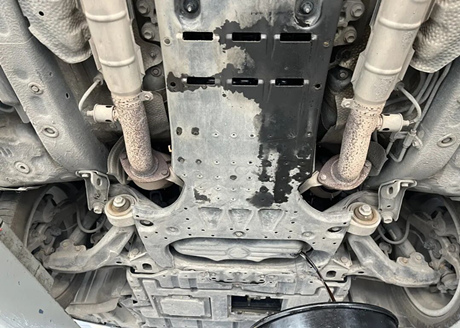
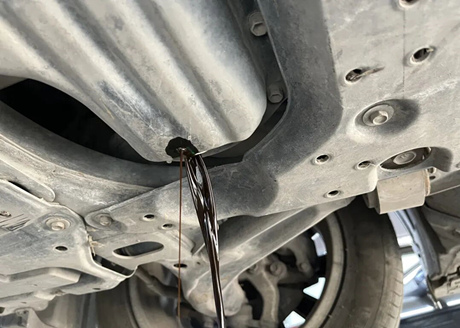
Judging by the condition of the drained engine oil, it’s definitely overdue for a change.
Up front sits a double-wishbone independent suspension. Its lower control arm is constructed from double-layer steel, with the shock absorber and stabilizer end link mounted onto it. The steering knuckle is made of aluminum alloy.
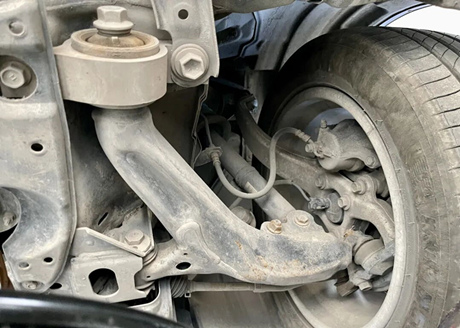
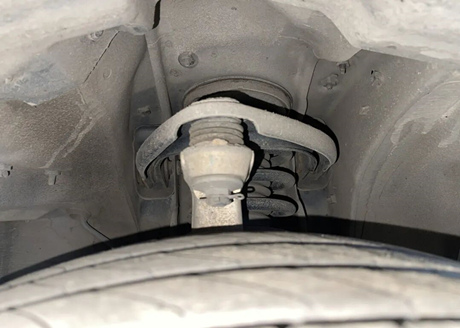
The upper part of the steering knuckle connects to the upper wishbone, which is also made of steel. After inspecting all these front suspension components, we found them in excellent condition.
Moving to the middle section of the chassis, the exhaust pipe runs through the center, fitted with heat shields above it. The drive shaft sits directly over the heat shields. Protective undertrays line both sides of the exhaust, concealing the brake lines and fuel hoses inside.
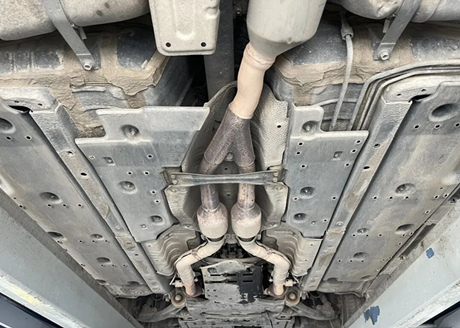
At the rear of the chassis, exhaust mufflers are fitted on both sides of the tail section. The rear suspension adopts a multi-link independent setup.
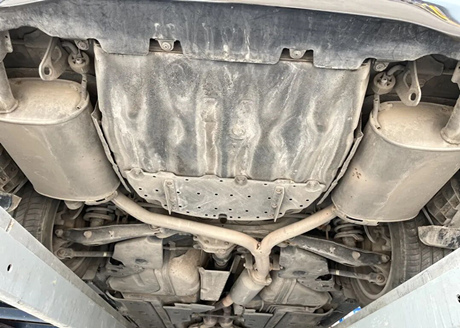
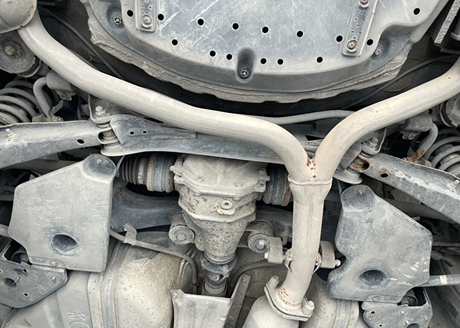
The rear differential is mounted on the subframe. Made of steel, the differential has surface rust all over it. The mechanic said this is completely normal; aside from looking unsightly, it has zero impact on performance.
The rear multi-link suspension consists of five steel control arms. Surface rust on these components is completely normal, and all of them remain original factory parts. The rear steering knuckle is made of aluminum alloy.
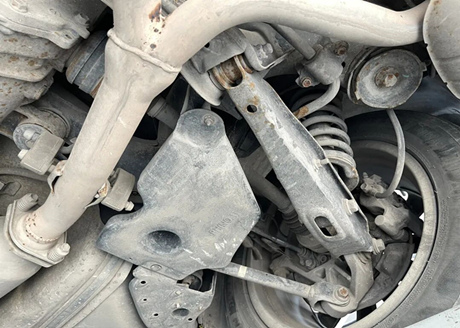
After completing the chassis inspection with no issues found, the mechanic replaced the oil filter and lowered the vehicle to refill fresh engine oil.

READY FOR A SUBSCRIPTION?
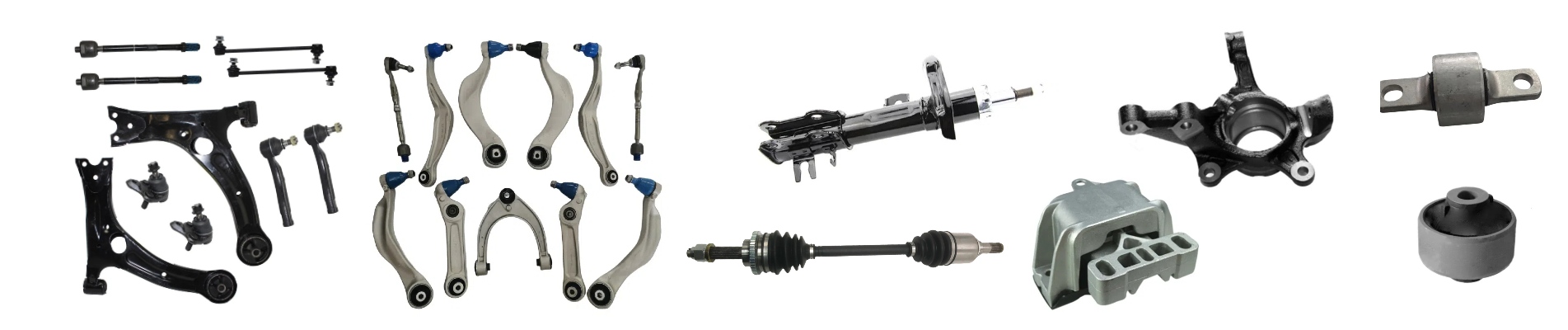
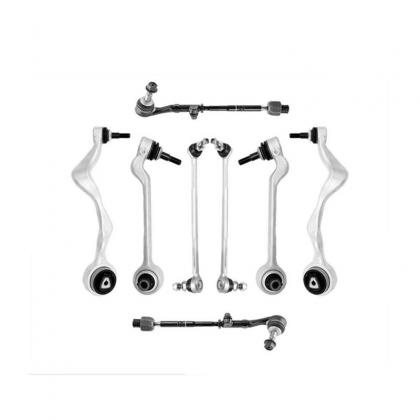
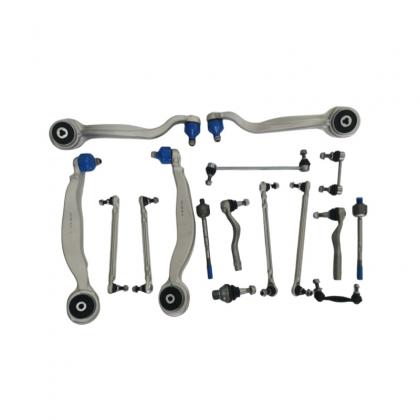
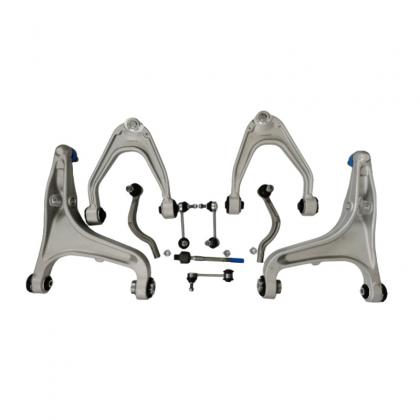
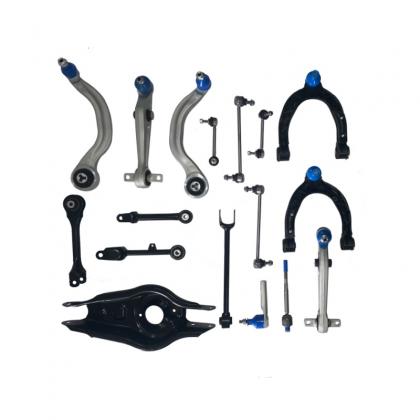
SMK company supply auto parts for below car aftermarket parts: Japanese car: Toyota, Honda, Nissan, Mazda, Subaru, Mitsubishi, Suzuki, Isuzu... European car: BMW, Benz, VW, Audi, Skoda, Porsche, Maserati, Renault, Peugeot, Citroen, Fiat, Opel, Land Rover... American car: Tesla, Ford, Chrysler, Cadillac, Buick, GMC, Chevrolet, Lincoln, Fiat, Dodge, ... Korean car: Hyundai, Kia, Daewoo... Chinese car: Chery, Geely, GreatWall, Haval, BYD, Changan, JAC... We supply parts worldwide: USA, Canada, Europe, Mexico, Colombia, Korea... We are leading supplier for below auto parts: Suspension & Steering Parts(Control Arm, Steering Tie Rod, Stabilizer Link...) Tesla Aftermarket Parts. Engine Mounting/Transmission Mount SMK Auto parts is specifically designed for the automotive repair parts. Our chassis components undergo rigorous testing to easily withstand the complex and variable road conditions and climate. The products not only offer exceptional durability but also provide broad compatibility and excellent stability, ensuring long-term, reliable support for your vehicles. Many overseas clients have established long-term partnerships with us. With the continuous accumulation of customer resources, many overseas clients entrust us with the production of various types of automotive parts products. In order to meet the diversified needs of customers, we have actively expanded new product lines. We adhere to high manufacturing standards, ensuring each product meets the strict safety and durability requirements of different markets. We invite customers from worldwide to choose our products and provide stronger protection and performance upgrades for your vehicles! SMK always adhere to customer-centric, continuously improve product quality and service levels, and strive to create greater value for global customers. In the future, we will continue to adhere to the principle of “quality first, customer first” and work hand in hand with our partners to create a better future. Working Room Packing & Delivery Need After‑market Auto Parts or add your personal brand? We supply high‑quality chassis parts and customized services to meet your order requirements. Get A Quote →
 IPv6 network supported